Cleaning dust extraction ducts does not replace local exhaust ventilation (LEV) testing. Where an extraction system controls workers’ exposure to hazardous airborne substances, it requires appropriate examination and testing independently of whether its ducts have recently been cleaned.
The two activities answer different questions. Cleaning addresses deposited material inside the system. LEV examination establishes whether the equipment remains capable of controlling airborne contamination at the processes it serves.
What deposit removal changes
Dust extraction systems collect material from manufacturing, machining, cutting and handling processes. Some material is captured by filters or collection equipment, while deposits may also accumulate inside ducts, bends, hoods and other accessible components.
As deposits build up, they can restrict airflow, increase resistance or contribute to blockages. Their significance depends on the material, duct arrangement and extraction system design.
Dust extraction cleaning involves removing identified deposits using equipment and methods appropriate to the material being collected. The purpose is to restore the cleanliness of the agreed components, not to certify the effectiveness of the entire extraction system.
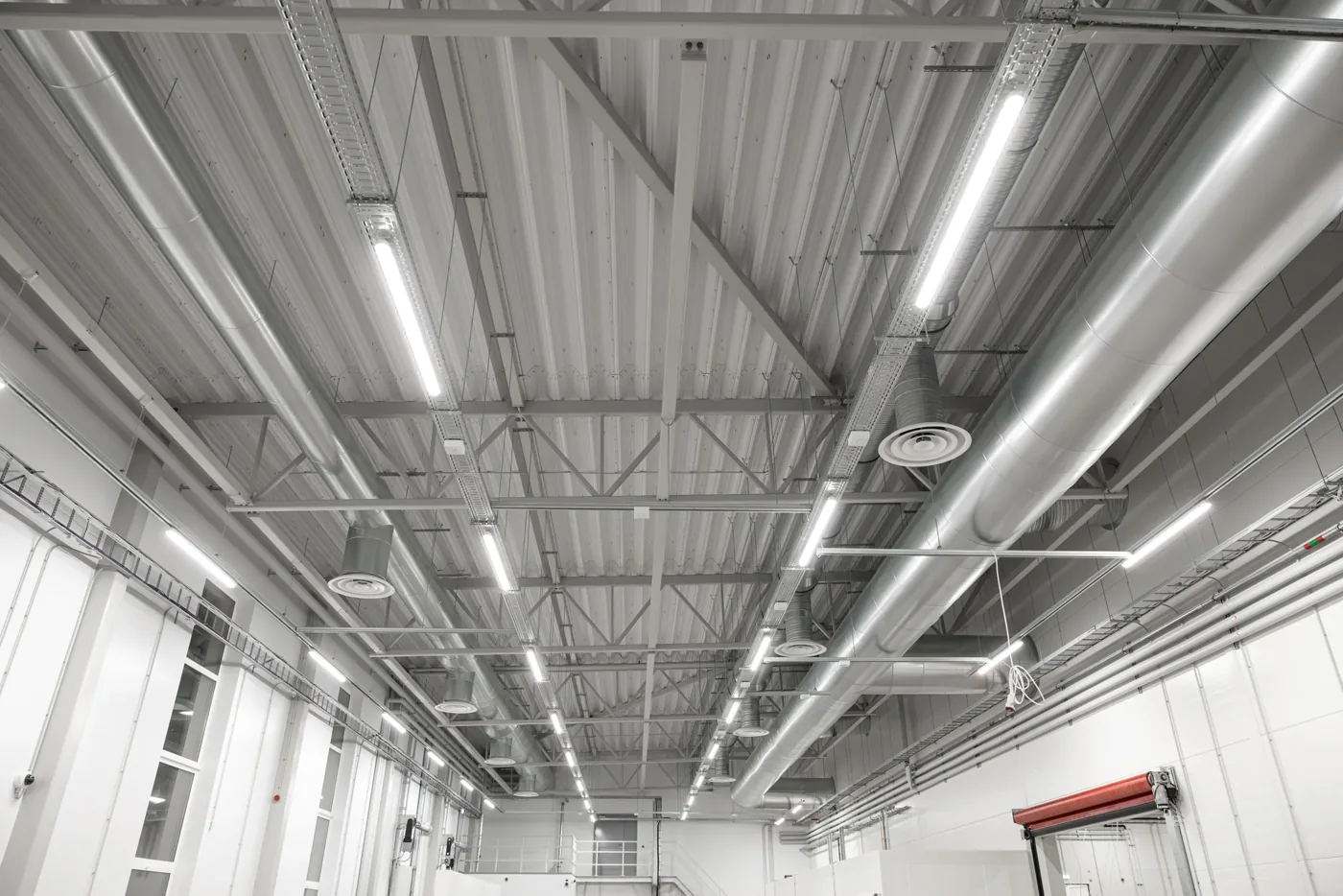
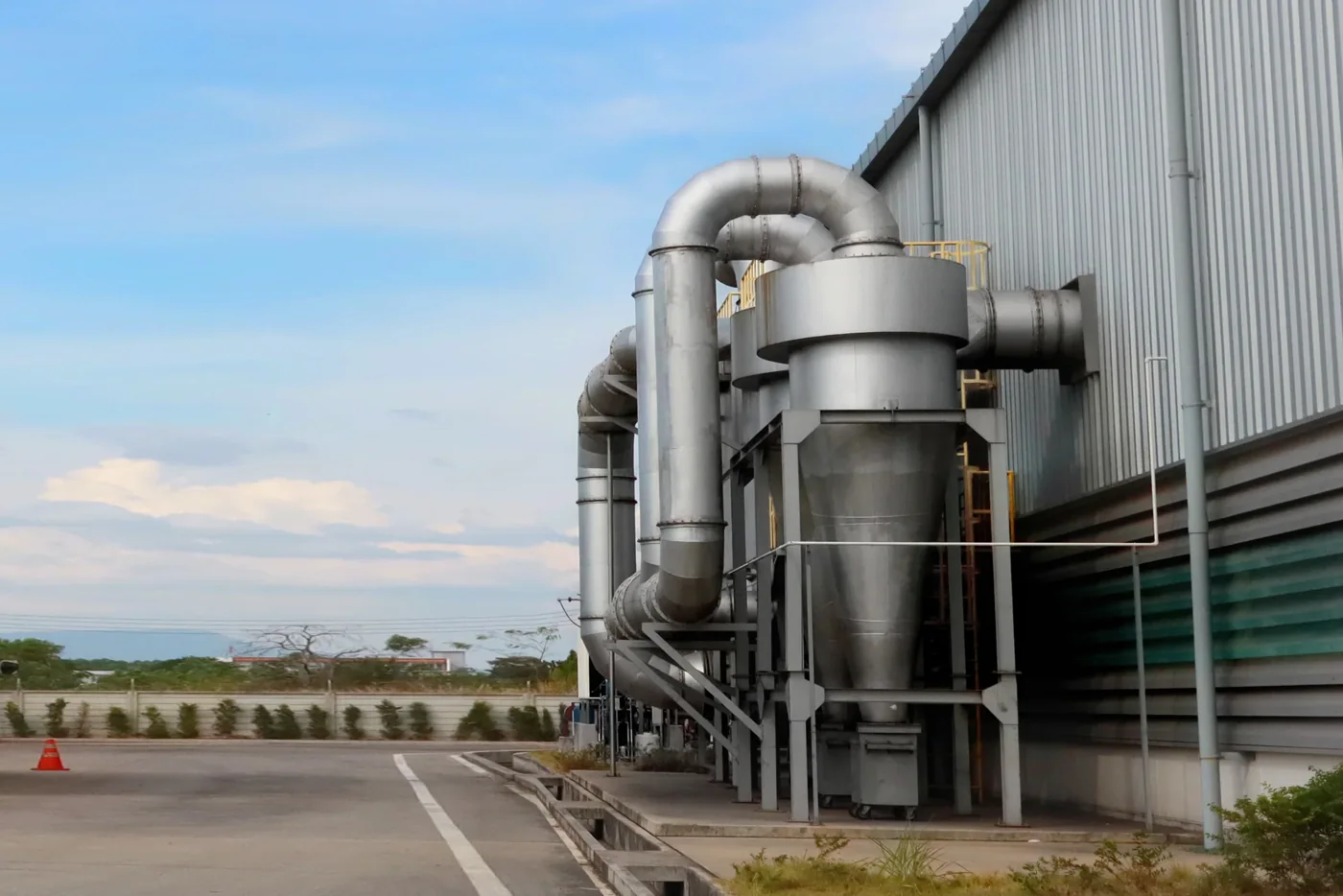
The work also needs to recognise system boundaries. An installation may include capture hoods, branches, main ducts, fans, filters, collection vessels and discharge arrangements. Cleaning one accessible section does not establish the condition of every other component.
Where deposits are associated with potentially combustible dust, the material and system hazards must be considered before cleaning methods are selected. The method should avoid creating an uncontrolled airborne dust release or another ignition risk.
Why clear ducts do not prove capture performance
A visibly clean duct can still belong to a poorly performing extraction system.
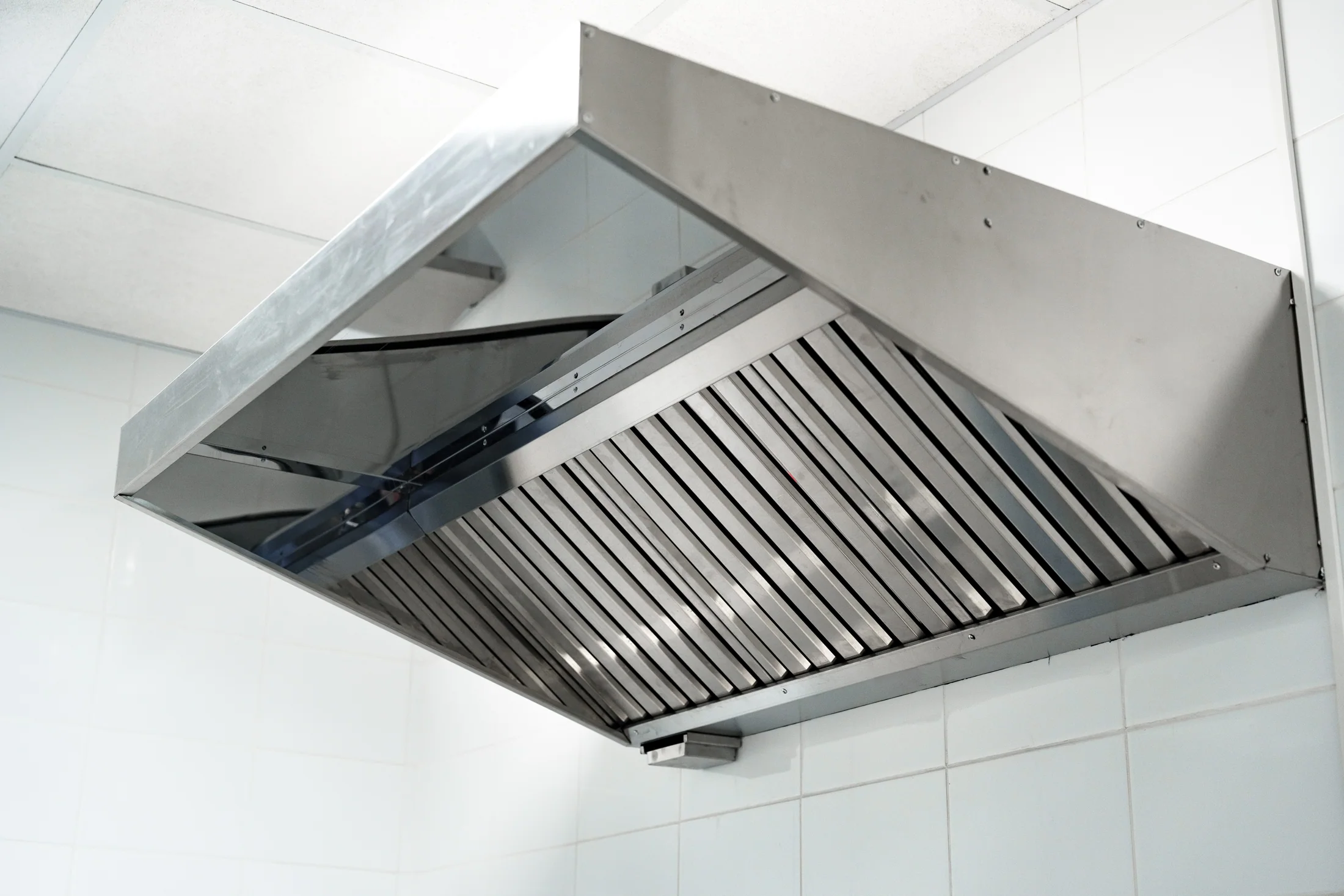
For example, an incorrectly positioned hood may fail to collect dust at its source even if the duct behind it is unobstructed. A damaged fan, unsuitable duct arrangement or defective filter may also affect performance.
LEV effectiveness depends on several connected factors:
- Capture: Whether airborne contamination is effectively collected at the point where it is generated.
- Airflow: Whether sufficient air moves through the relevant parts of the system under operating conditions.
- Components: Whether hoods, ducts, fans and air-cleaning equipment are functioning as intended.
- Operating conditions: Whether changes to machinery, workpieces or production arrangements have affected extraction.
Removing an obstruction may improve airflow, but the size of that improvement cannot be established reliably from cleanliness alone. A system may also have been operating below its required performance before deposits developed.
The HSE publication Controlling airborne contaminants at work: HSG258 explains the principles of LEV design, commissioning, maintenance, examination and testing.
When to arrange separate examination and testing
Under the Control of Substances Hazardous to Health Regulations, LEV used to control exposure to hazardous substances generally requires thorough examination and testing at least every 14 months. Certain processes have shorter statutory intervals.
This is a separate duty from routine maintenance or duct cleaning. A cleaning completion record is not equivalent to a thorough examination and test report.
The HSE’s LEV frequently asked questions explain the examination requirement. Employers must keep thorough examination and test records for at least five years. The report should identify whether the system is performing as intended and what corrective action is needed where it is not.
Additional assessment is particularly relevant when:
- Extraction performance was poor before cleaning.
- A blockage or substantial restriction has been removed.
- Fans, duct sections, hoods or other significant components have been altered.
- Dust continues escaping into the workplace after cleaning.
- The existing examination identifies defects requiring corrective work.
Following cleaning, routine airflow checks may help establish whether an identified restriction has been cleared. Where an LEV system has failed an examination and subsequently been repaired, HSE requires a competent person to check that it is effective and adequately controls exposure. The need for further measurements after other maintenance depends on what changed and whether adequate performance can be demonstrated. Cleaning does not reset the statutory examination date or replace an examination that is due.
Keep cleaning and verification records distinct
For an engineering manager, the practical approach is to specify what physical cleaning will cover and separately establish the testing status of the LEV system.
A cleaning record should identify the sections treated, access limitations and any observed defects. An LEV examination report should address measured performance, findings and remedial actions within the examiner’s remit.
Where broader ventilation system cleaning involves non-LEV ductwork, the statutory LEV testing requirement should not automatically be applied to equipment that does not serve that function.
For accumulated material within industrial extraction equipment, dust extraction cleaning addresses the physical deposits. Competent LEV examination provides the separate evidence about extraction effectiveness.
Keeping those responsibilities distinct prevents a clean-looking system from being mistaken for one whose protective performance has been established.