Pressure washing can damage an industrial roof because a panel that looks sound from the ground may have deteriorated fixings, vulnerable joints, weakened coatings or an inherently fragile construction. High-pressure water can also enter overlaps and openings that normally resist rainfall. Before cleaning, the roof material, its condition and the proposed access method need separate consideration.
Why roof appearance is unreliable
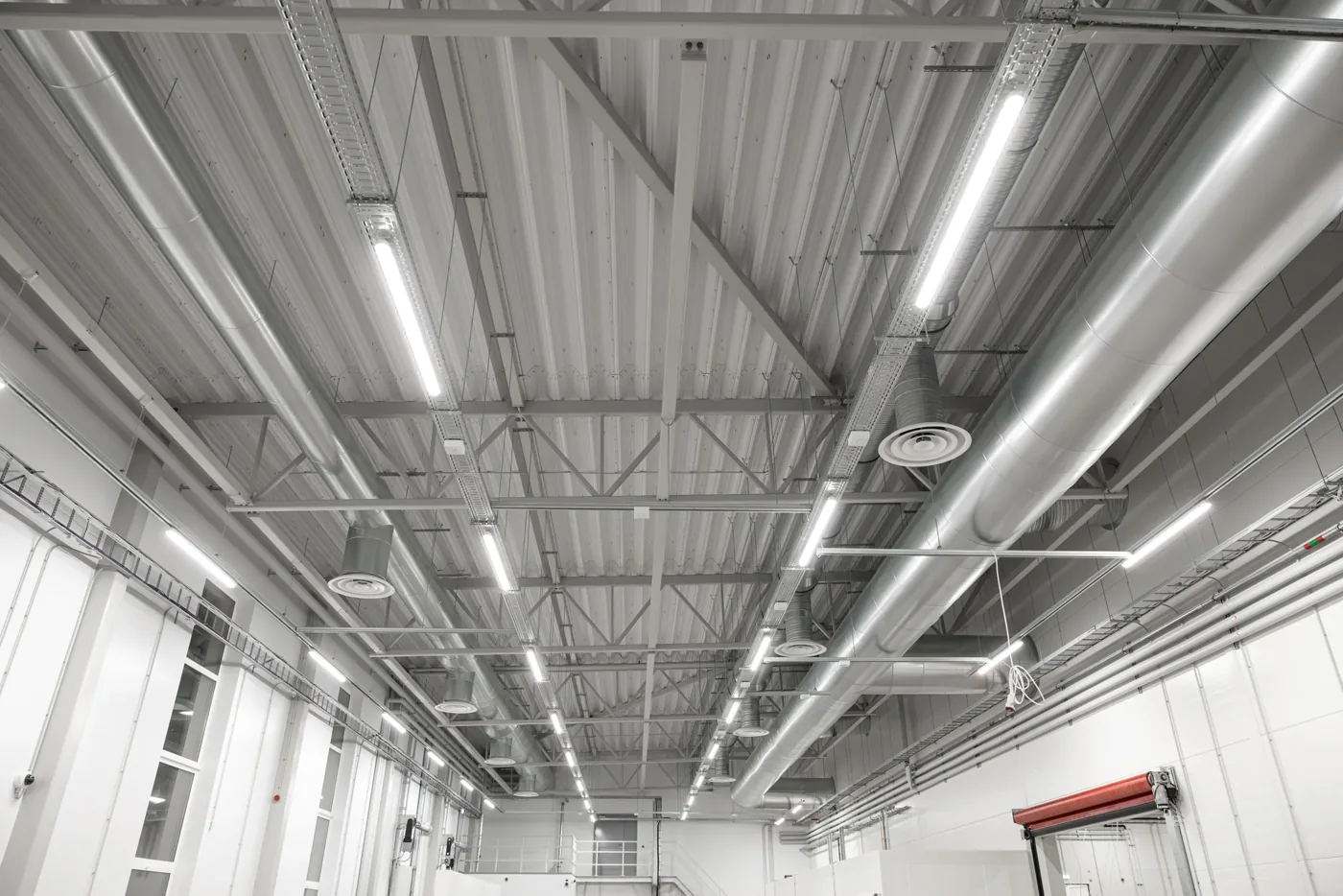
Industrial roofs can look relatively uniform despite substantial differences in their condition. Dirt, moss and surface staining may conceal corrosion, damaged seals or previous repairs. A panel might remain weather-resistant under ordinary conditions without being suitable for concentrated spray or the additional loads associated with cleaning work.
Age matters, but it is not a reliable test by itself. Exposure, manufacturing specification, maintenance history and the condition of supporting components all influence how a roof behaves. Two apparently identical sections can have different levels of deterioration.
The Health and Safety Executive’s guidance on fragile surfaces states that roofs should be treated as fragile unless a competent person has confirmed otherwise. That distinction concerns load-bearing safety, not merely whether the surface appears intact.
For a facilities manager, an earlier roof survey, material specification and maintenance record are more informative than appearance alone. Missing information should be resolved before selecting a cleaning method, rather than assuming that an undamaged-looking roof can tolerate pressure washing.
Fragile materials, rooflights and coatings
Different roof constructions present different cleaning limitations. The important question is not simply whether pressure washing removes the dirt, but what it could do to the roof beneath.
- Fibre-cement sheets: Older or weathered sheets may be fragile, and concentrated cleaning forces can disturb vulnerable surfaces. Check available asbestos information and arrange further identification where necessary before selecting a method that could disturb the material. For asbestos-cement roofing, the HSE’s Asbestos Essentials A12 guidance states that high-pressure jetting is appropriate only in exceptional circumstances and requires a specialist contractor.
- Profiled metal panels: Corrosion can reduce local strength, particularly around fixings, edges and laps. Water directed against overlaps can reach areas that ordinary downward rainfall may not penetrate.
- Coated roofing: Weathered protective finishes can be vulnerable to abrasion or concentrated jets. Removing the coating may expose the underlying material to further deterioration.
- Rooflights: Translucent panels can become difficult to distinguish from adjacent roofing when dirty. Their appearance must never be treated as evidence that they can support a person’s weight.
- Seals and penetrations: Flashings, fastener seals and equipment openings can admit water if spray is directed into vulnerable junctions.
A cleaning result can therefore look successful immediately while concealing damage that only becomes apparent during later rainfall. Roof compatibility includes preserving waterproofing and protective finishes, not just removing visible deposits.
Cleaning from below versus roof access
The choice of access affects which cleaning methods are reasonable. Where suitable, work from an independent access platform can keep workers off the roof. Such arrangements still require consideration of reach, spray direction, ground conditions and the areas beneath the operation.
Roof access creates a separate question about structural support and fall protection. A general visual inspection does not establish safe walking routes. Fragile rooflights, deteriorated sheets and hidden openings can remain hazardous even when the cleaning area appears straightforward.
For particularly difficult elevations, the access considerations may overlap with those involved in high level cleaning, although roof fragility and waterproofing remain distinct concerns.
Deciding whether pressure washing is appropriate
Industrial pressure washing is appropriate for some robust surfaces, but it should not be the default response to every dirty roof. A lower-impact technique, controlled application or selective treatment may be more suitable where coatings and joints are vulnerable.
Before commissioning work, establish what material is present, which areas are fragile, what deposits need removing and whether the proposed equipment can operate without compromising the roof. The intended result should also be clear: removing loose contamination is different from restoring a deteriorated surface.
The decision may ultimately be to clean only specified sections or to postpone cleaning until defects have been assessed. The relevant industrial roof cleaning approach should follow those findings, rather than relying on the visual condition of the panels.