Define the area and the deposit
A useful brief identifies the rooms, plant surroundings or building surfaces involved. Describe whether the material is loose dust, oily residue, adherent scale or another known deposit. Existing process information can help distinguish ordinary accumulation from material that needs further assessment before the method is selected.
Surface condition matters alongside the deposit. Coatings, seals, corrosion and previous damage affect what treatment a surface can tolerate. Record areas where the underlying material or condition is uncertain so the assessment can address those limits rather than applying one method throughout the building.
Plan around access and the operating site
Cleaning an overhead ledge differs from reaching beneath fixed machinery or working along an occupied warehouse aisle. Available space, movement of people and goods, and the position of equipment all influence the practical scope. Include these details when describing the area.
Where access involves equipment isolation or removal of guards or components, responsibilities need to be agreed with the people controlling the plant. A cleaning brief should distinguish accessible external surfaces from work that depends on a separate maintenance activity. The programme needs to reflect those dependencies.
Select a method for the material and surface
Water, heat, cleaning products and mechanical action affect deposits and surfaces differently. Method selection should consider the composition of the material, the condition of the surface, potential exposure to hazardous substances and how residues will be contained and removed. Where harmful substances may be present, the applicable COSHH assessment and control measures need to address the actual task. A method suitable for a floor may not suit adjacent controls, bearings or electrical equipment.
Where conditions allow, a controlled trial on a representative area can help establish the visible cleaning result and identify potential surface damage before the wider method is agreed. Define what the trial is intended to demonstrate and record any limitations. A clean-looking surface and a tested hygiene or contamination standard are different outcomes; any specific verification needs to be part of the agreed scope.
Use the service pages to identify the task
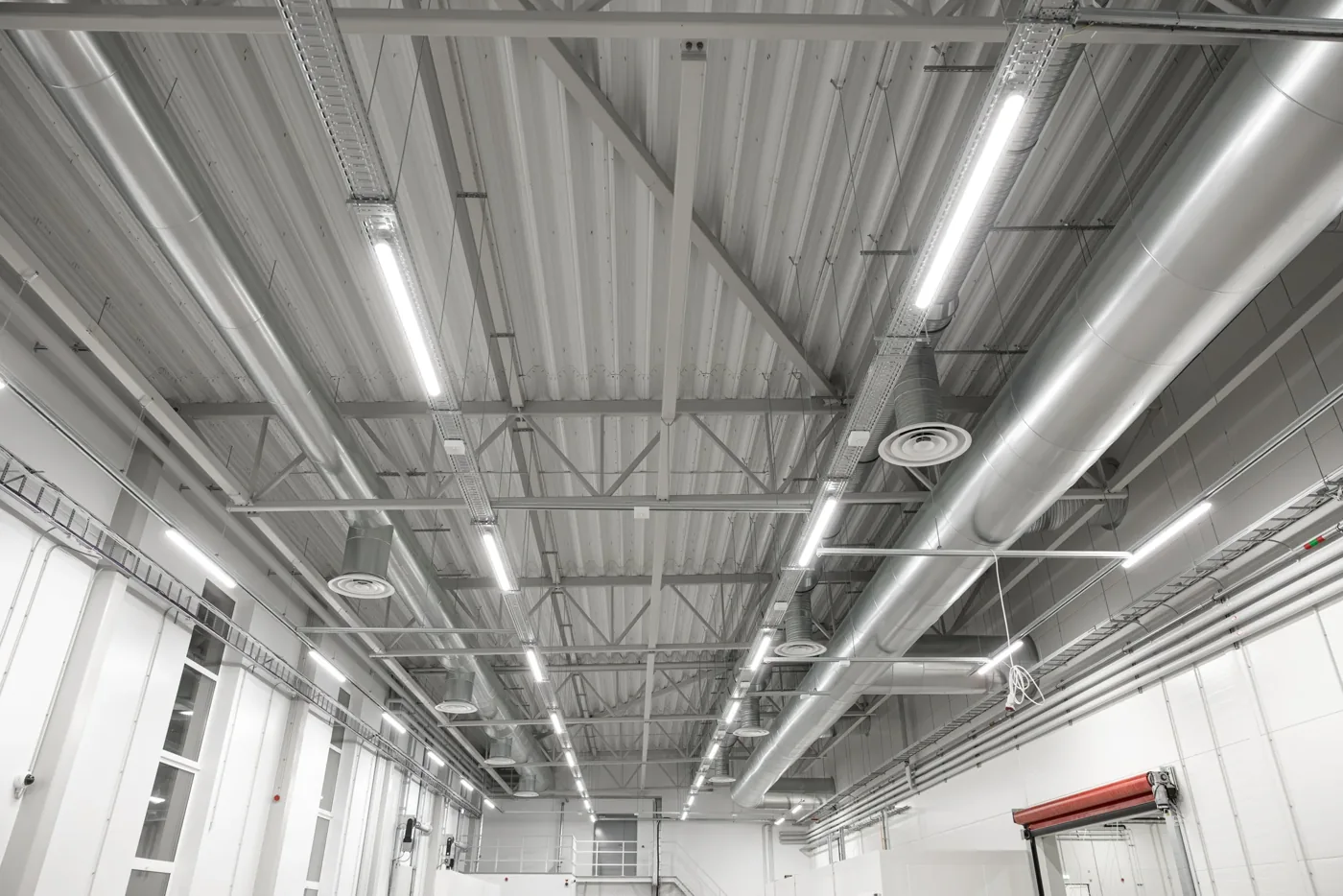
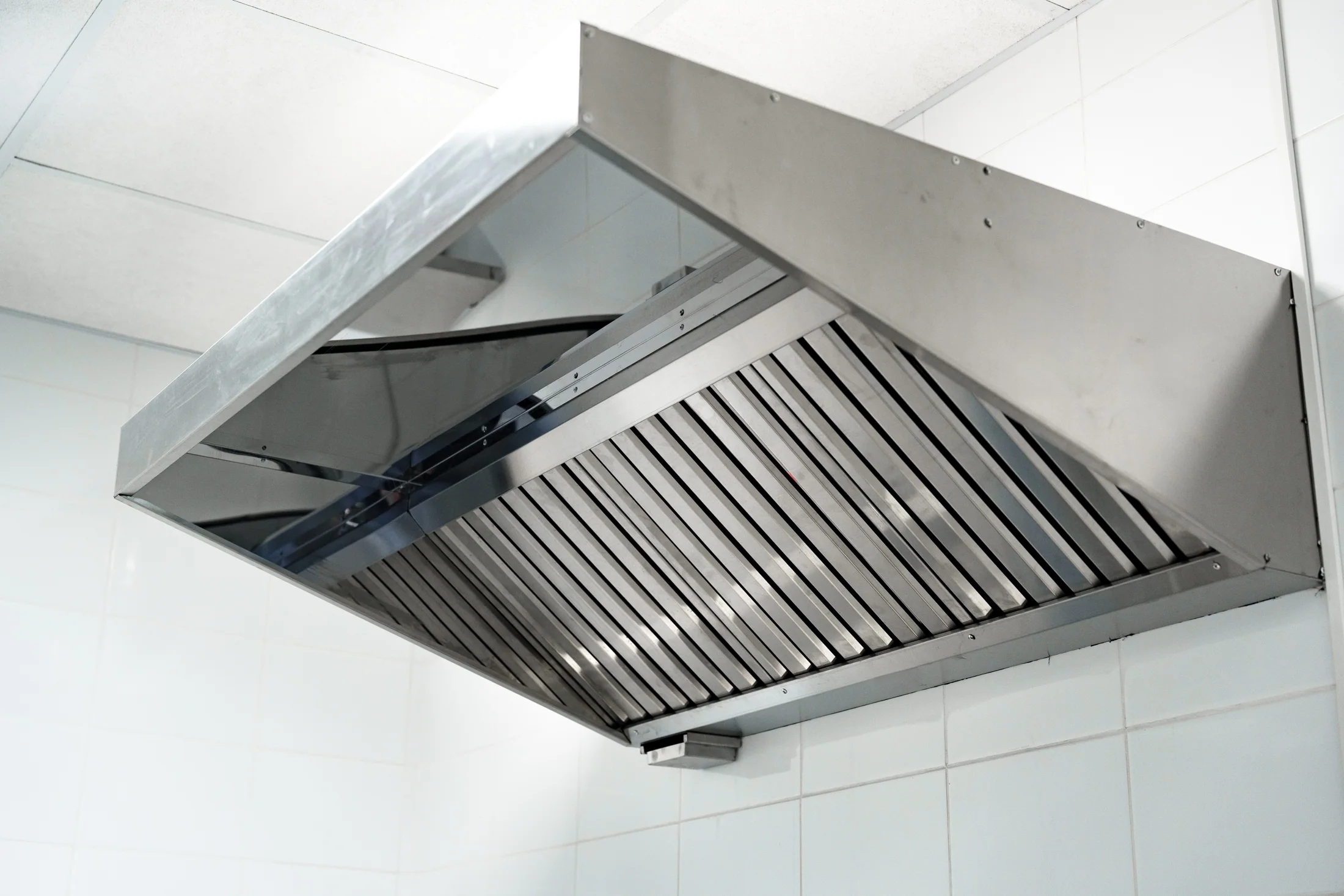
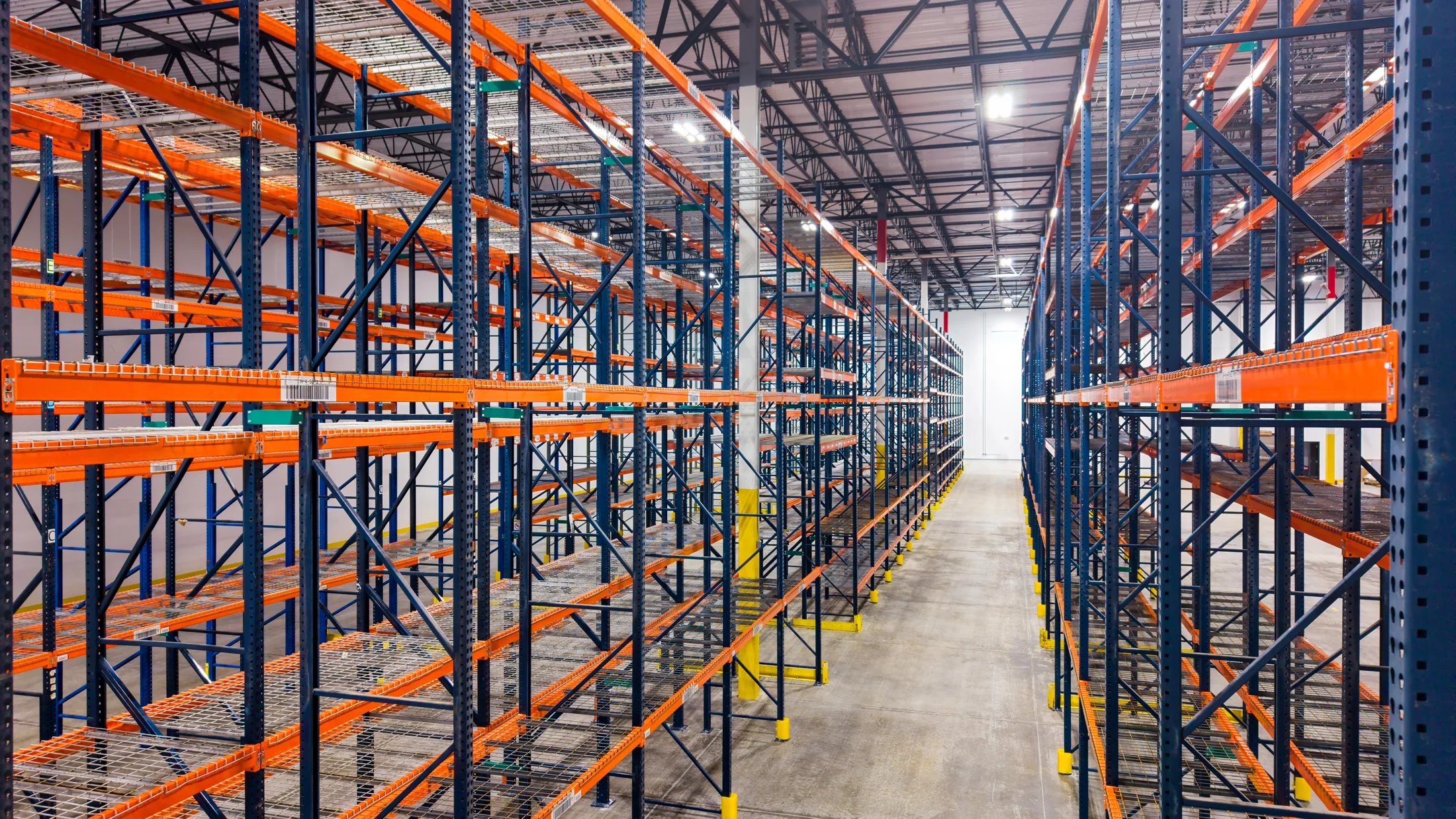
Factory deep cleaning, warehouse cleaning and other specialist tasks involve different access patterns and completion requirements. The service cards below lead to the relevant detail. Describe the actual area and process rather than relying on a broad building label alone.
For a maintenance shutdown, identify which work must happen before other trades return and which areas can be completed separately. For an operating site, explain the activities that continue nearby. The sequence should make clear what needs to be protected, moved or made available before cleaning starts.
Set a useful completion standard
The scope should describe the surfaces included, the deposits to be removed and the expected condition after work. Identify inaccessible areas and exclusions explicitly. This makes a completion inspection more useful than a general statement that the whole site has been cleaned.
Record any remaining deposits, access limitations and visible defects exposed by the work. If a separate repair, specialist test or further cleaning stage is needed, keep that distinction clear. A defined handover helps the site team connect the result with the original requirement.