High level cleaning in London warehouses
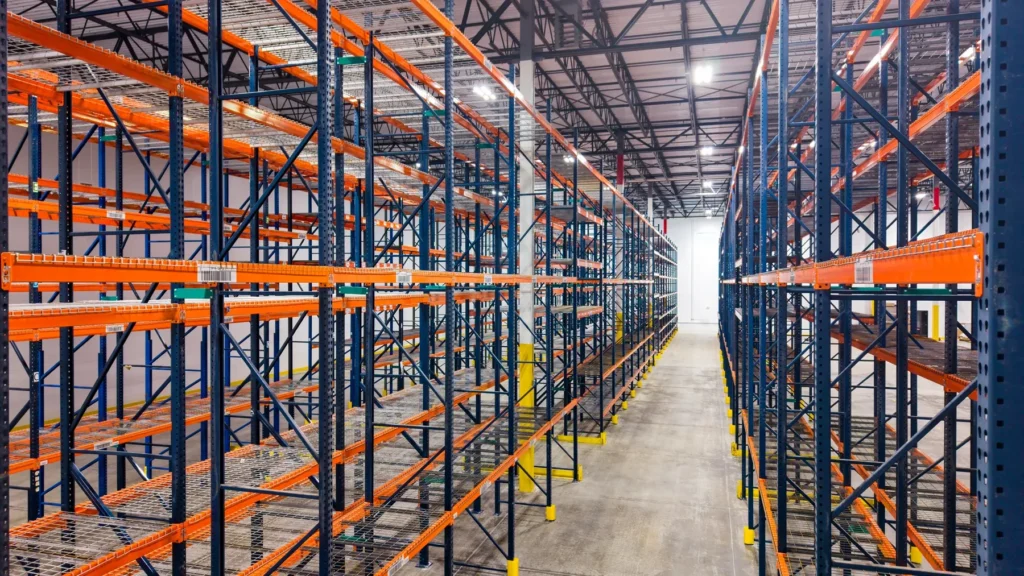
Warehouse roof steel, purlins, light fittings, sprinkler pipework and racking tops accumulate dust and debris that ordinary floor cleaning cannot reach. Deposits can fall onto stored goods, conveyors and working areas, particularly where vibration and air movement disturb them.
High-level cleaning involves assessing the surfaces, selecting suitable access equipment and deciding how dust and debris will be collected. Mobile elevating work platforms may be appropriate where floor conditions, aisle widths and surrounding equipment allow. Vacuum collection can help prevent loose deposits from spreading into stock and working areas.
Work above occupied warehouse areas also needs suitable exclusion zones and coordination with vehicle and pedestrian movements. The Work at Height Regulations 2005 apply to the planning and execution of this work. Further information is available from HSE guidance on working at height and our high level cleaning service.
Cleaning around warehouse and distribution operations
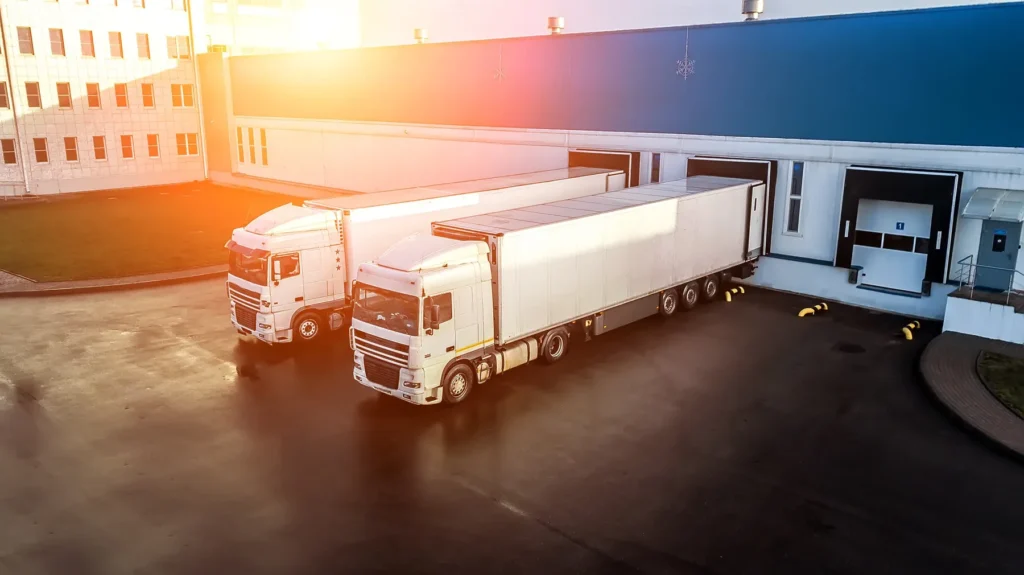
London distribution centres may operate across several shifts, leaving limited opportunities to isolate large sections of a building. Cleaning roof steel, racking, loading bays or floors needs to take account of goods movements, access aisles and equipment already in use.
Dividing the work into manageable areas can reduce interference with the rest of the site. Before cleaning starts, the relevant areas, access requirements and arrangements for protecting stock and equipment need to be agreed.
- Roof steel, purlins, beams and lighting with accumulated dust
- Racking tops and exposed structural surfaces above stored goods
- Dock levellers, loading bays and door tracks affected by dirt and grease
- Warehouse floors with tyre marks, dust, oil and operational grime
- Hard-to-reach areas around conveyors and fixed plant
The cleaning method will depend on the surface, contamination and restrictions around the equipment. There is more detail on distribution centre cleaning, including the warehouse and loading areas that need regular attention.
Industrial yard cleaning, jetting and drainage
Loading yards and service areas collect grit, tyre deposits, oil and other contamination around vehicle lanes, fuel points, dock aprons and wash bays. Heavy deposits can require pressure washing or more targeted cleaning, depending on the condition of the surface and the surrounding drainage.
Drainage channels and gullies can also accumulate silt, grit and debris. Industrial jetting and vacuum removal are relevant where deposits need to be broken down and extracted rather than washed further into the drainage system.
Oil separators require particular attention because accumulated sediment and oil can affect their operation. Detergents can also interfere with oil separation, so cleaning products and wash water arrangements need to be considered alongside the drainage layout.
For yard cleaning, identifying surface water and foul drainage connections is an important part of deciding how contaminated water should be collected or managed.